
Fat grafting Nagpur
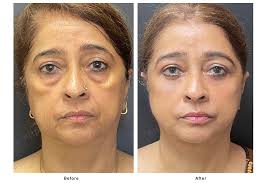
Fat Grafting Nagpur
Many people want to improve facial balance, restore youthful fullness, or enhance selected body areas in a natural way. Therefore, they often begin searching for Fat Grafting Nagpur when they prefer using their own body tissue instead of synthetic fillers or implants. Fat grafting, also called fat transfer, is a cosmetic procedure where excess fat is removed from one area, purified, and carefully placed into another area that needs volume or contour improvement.
This approach is popular because it combines two benefits in one treatment. First, unwanted fat may be reduced from areas such as the abdomen, flanks, or thighs. Second, that fat can be used to restore volume in the face, lips, under-eye area, breasts, buttocks, hands, or other selected regions depending on suitability. As a result, many patients appreciate the natural feel and dual contouring effect.
In Nagpur, patients often prefer local treatment because consultations, follow-up visits, and recovery support become more convenient. Under the guidance of Dr. Siddharth Mendiratta, patients can receive personalized planning based on anatomy, goals, and safety priorities. At One Life Hospital, structured care systems, modern techniques, and attentive support help patients move forward with confidence.
What Fat Grafting Means in Cosmetic Surgery
Fat grafting is a volume restoration and contouring technique that uses your own harvested fat cells. Instead of relying only on external fillers, the body’s own tissue becomes the enhancement material. Therefore, many patients see it as a more natural option.
The process usually begins with gentle fat removal through liposuction from donor areas that have excess fat. Common donor sites include the abdomen, waist, thighs, or hips. The collected fat is then processed and purified so healthy cells can be selected for transfer.
After preparation, the surgeon strategically injects small amounts of purified fat into the target area. This careful layering technique helps create smoother contours and supports cell survival. Additionally, gradual placement allows natural-looking shape rather than overfilled results.
Fat grafting is often used in facial rejuvenation, cheek enhancement, jawline softening, lip shaping, hand rejuvenation, scar improvement, and selected body contour goals.
Dr. Siddharth Mendiratta evaluates whether fat grafting is suitable or whether another method may be better. At One Life Hospital, treatment planning focuses on natural balance, safety, and realistic expectations.
Why Many People Search for Fat Grafting Nagpur
People search for Fat Grafting Nagpur for several reasons. Many want natural volume restoration without relying on repeated synthetic fillers. Others like the idea of improving two areas at once by reducing unwanted fat from one location and enhancing another.
In Nagpur, convenience plays a major role. Consultation appointments are easier when treatment is nearby. Recovery also becomes more manageable when follow-up visits do not require long-distance travel. Additionally, family support during healing can make the overall experience smoother.
Privacy is another factor. Cosmetic concerns are personal, and many patients prefer discussing them in a comfortable local environment. Some also value ongoing access to their surgeon for future review or touch-up planning.
Under Dr. Siddharth Mendiratta, patients receive individualized evaluation rather than one standard treatment model. At One Life Hospital, structured consultation systems and modern patient care help people feel informed at every step.
For many individuals, the goal is not dramatic transformation. It is subtle refinement, restored volume, and confidence through natural-looking enhancement.
Who Commonly Benefits from Fat Transfer Procedures
Fat grafting can benefit a wide variety of adults when chosen appropriately. One common group includes people who notice facial volume loss with age. Hollow cheeks, under-eye depression, temple flattening, and thinning lips often make the face look tired. Therefore, restoring soft fullness may create a fresher appearance.
Another group includes patients who want body contour enhancement in selected areas. Some seek subtle breast volume improvement, scar softening, hand rejuvenation, or shape correction after asymmetry.
People who dislike temporary fillers often explore fat transfer because they prefer their own tissue as the enhancement material. Additionally, patients who already have suitable donor fat may appreciate the dual contouring advantage.
Ideal candidates should be medically fit, have realistic expectations, and understand that some transferred fat may naturally reabsorb. They also need enough donor fat for harvesting.
Dr. Siddharth Mendiratta carefully evaluates candidacy based on body type, treatment goals, and skin quality. At One Life Hospital, patient selection helps support safer healing and more satisfying outcomes.
Common Areas Treated with Fat Grafting
Fat grafting is versatile, which is one reason it remains popular. The face is one of the most requested areas. Cheeks may be enhanced to restore youthful contours, while under-eye hollows may be softened for a fresher look. Lips may also receive subtle natural volume.
Temples and jawline transitions can be improved when age-related hollowing affects facial balance. Additionally, hands may be treated to reduce a thin or aged appearance caused by volume loss.
Some patients seek body applications. Selected breast volume enhancement, contour irregularity correction, hip dips, buttock shaping, or scar depressions may be suitable depending on anatomy and goals.
The best area depends on what truly bothers the patient rather than what trends suggest. Over-treatment can look unnatural, so strategic enhancement matters more than excessive volume.
Dr. Siddharth Mendiratta recommends target areas based on proportion and realism. At One Life Hospital, treatment planning focuses on smooth integration with existing body shape rather than obvious cosmetic change.
Why Natural-Looking Results Appeal to Many Patients
One of the strongest reasons people choose fat grafting is the possibility of natural-looking improvement. Since the material comes from the patient’s own body, the feel and movement can appear softer than some alternatives. Therefore, many people prefer it for subtle rejuvenation.
Patients often worry about looking overdone. Fat transfer, when performed conservatively, can restore what has been lost rather than create exaggerated features. This is especially valuable in facial treatment where balance matters greatly.
Another benefit is customization. Small amounts can be placed in multiple zones to gently improve contour transitions. Additionally, because the surgeon controls placement carefully, results can often be highly individualized.
Natural-looking outcomes depend on judgment as much as technique. Too much volume may look heavy or artificial, while too little may provide limited change.
Dr. Siddharth Mendiratta emphasizes proportion and refinement rather than obvious enhancement. At One Life Hospital, planning centers on harmony so results support appearance instead of overpowering it.
For many patients, looking refreshed rather than surgically altered is the ideal result.
How the Donor Fat Is Selected
Not all body fat is harvested in the same way. During consultation, the surgeon identifies areas with enough available fat while also considering contour benefits. Common donor zones include the abdomen, flanks, thighs, or hips. Therefore, donor site selection can improve two areas at once.
Patients often ask whether one donor area is “best.” In reality, suitability depends more on available tissue, body shape, and surgical convenience than on myths about special fat quality. The goal is to remove fat gently while preserving viable cells for transfer.
Some very lean patients may have limited donor fat, which can affect candidacy or treatment volume. Additionally, large transfer goals may require staged treatment rather than one aggressive session.
Dr. Siddharth Mendiratta evaluates donor areas carefully to balance harvesting needs with body proportion. At One Life Hospital, planning helps ensure donor-site contour remains smooth and natural after healing.
Good donor selection is an important but often overlooked part of successful fat grafting.
What Happens During the First Consultation
The consultation phase helps determine whether fat grafting truly matches the patient’s goals. Patients usually discuss concerns, previous cosmetic treatments, medical history, and what kind of result they hope to achieve. Therefore, this meeting becomes essential for realistic planning.
Physical examination may include skin quality, facial volume patterns, asymmetry, donor fat availability, and target area condition. These findings help decide whether fat transfer, filler treatment, or another procedure would be more suitable.
Patients should ask about longevity, swelling, touch-ups, scars from donor sites, recovery time, and expected change level. Open communication helps avoid misunderstanding later.
Dr. Siddharth Mendiratta emphasizes honest discussion about both benefits and limitations. At One Life Hospital, organized consultation systems may include readiness guidance, photography planning, and timeline preparation.
A strong consultation builds trust and creates a customized roadmap rather than a rushed decision.
How Customized Plans Create Better Outcomes
No two faces or bodies lose volume in the same way. Therefore, successful fat grafting depends on personalization rather than using one fixed injection pattern. A patient with hollow cheeks needs a different plan than someone concerned about lips or under-eye shadows.
Some people need only tiny refinement. Others need multi-area balancing. Additionally, age, skin thickness, and bone structure all influence where fat should be placed for the most natural result.
Customization also helps avoid overcorrection. Subtle improvements often age better and look more believable than dramatic enlargement. In some cases, staged treatment may create better long-term results than trying to achieve everything in one session.
Dr. Siddharth Mendiratta designs treatment according to anatomy, facial harmony, and patient goals. At One Life Hospital, individualized planning supports elegant and balanced outcomes.
The best cosmetic work often looks effortless because it was carefully tailored.
What Happens on the Day of Fat Grafting
Many patients feel nervous before treatment day, yet understanding the process often makes the experience easier. Patients usually arrive after following pre-procedure instructions regarding meals, hydration, medications, and preparation. Final medical checks are completed, and the treatment plan is reviewed once more. Therefore, patients begin the day with clarity rather than uncertainty.
The donor area is marked first, followed by the target zones where fat will be placed. These markings help guide contour precision and balanced volume placement. Depending on the treatment extent, local anesthesia, sedation, or another planned anesthesia method may be used.
The procedure generally begins with gentle harvesting of fat from the selected donor site. That fat is then processed and purified so healthy cells can be prepared for transfer. After purification, small amounts are strategically placed into the treatment area using careful layering methods.
Dr. Siddharth Mendiratta ensures patients understand what is planned and what immediate recovery will involve. At One Life Hospital, monitored care and structured protocols help patients feel supported from start to finish.
For many individuals, the actual procedure day feels smoother than expected once everything is organized professionally.
Why Gentle Technique Matters in Fat Transfer
Fat grafting is not only about moving fat from one area to another. The way it is harvested, handled, and placed strongly influences results. Therefore, gentle technique plays a major role in successful treatment.
When fat cells are collected carefully, more viable cells may remain healthy for transfer. Rough handling can reduce cell survival. Similarly, purification methods should focus on preserving usable fat while removing excess fluid or unwanted material.
Placement technique is equally important. Instead of injecting one large pocket of fat, experienced surgeons often place many small layers across different tissue planes. This helps smoother contour, better blood supply access, and more natural integration.
Overfilling can create heaviness or irregularity, while under-treatment may produce too little visible improvement. Therefore, balance is essential.
Dr. Siddharth Mendiratta emphasizes precision, proportion, and controlled placement rather than aggressive volume. At One Life Hospital, careful surgical systems support consistency and patient safety.
Often, subtle technical choices behind the scenes are what create the most elegant visible results.
The First Week of Recovery After Fat Grafting
Recovery during the first week usually includes swelling, mild soreness, and temporary sensitivity in both donor and treated areas. Therefore, patients should expect visible changes to settle gradually rather than instantly.
The donor area may feel similar to post-liposuction soreness. Target zones, especially the face, may look fuller than expected initially because swelling is normal. Many patients worry at this stage, but early appearance does not represent final results.
Rest, hydration, light movement, and following instructions carefully often make recovery smoother. Additionally, pressure on newly treated areas is commonly discouraged because transferred fat cells need time to settle.
Depending on the area treated, social downtime may vary. Facial swelling may improve enough for many people to resume normal social activity sooner than body contour procedures.
Dr. Siddharth Mendiratta gives tailored recovery guidance based on donor site and target zone. At One Life Hospital, follow-up reviews help patients feel reassured during the healing phase.
The first week is temporary, but proper care during this stage supports long-term success.
How Swelling Changes Over Time
Swelling is one of the most misunderstood parts of fat grafting recovery. Many patients expect to see final results immediately, yet swelling can temporarily exaggerate volume. Therefore, patience is extremely important.
In the first days, treated areas may appear fuller, firmer, or uneven because tissues are adjusting. Donor areas may also feel puffy or tight. As swelling reduces, contours begin to look more natural.
Some fluctuation is common. One day may appear better than another depending on hydration, sleep, movement, or natural healing patterns. Additionally, facial swelling often resolves differently from body swelling.
Patients should avoid judging outcomes too early. Final contour refinement often takes more time than expected.
Dr. Siddharth Mendiratta explains realistic healing timelines so patients understand what changes are normal. At One Life Hospital, post-procedure monitoring helps patients navigate recovery with confidence.
Most people feel reassured once they understand swelling is a stage, not a problem.
When You Can Return to Routine Life
Return to daily routine depends on the treatment area, procedure extent, and individual healing speed. Many patients resume light work earlier than intense physical activity. Therefore, recovery plans should be personalized.
Desk work may be possible sooner than physically demanding jobs. If facial fat grafting was performed, visible swelling may influence social timing more than physical limitations. For body treatments, donor-site soreness may be the main factor.
Exercise usually returns in stages. Gentle walking often begins early, while strenuous workouts and pressure-heavy movements may need to wait. Additionally, direct pressure on certain grafted areas may be restricted temporarily.
Travel plans should consider swelling, comfort, and access to follow-up care.
Dr. Siddharth Mendiratta advises patients individually regarding work, driving, travel, and fitness return. At One Life Hospital, scheduled follow-ups help guide safe progress.
Rushing recovery often offers little benefit, while patience usually protects better results.
How Long Fat Grafting Results May Last
One of the most common questions is how long results will remain. Fat grafting differs from temporary fillers because a portion of transferred fat cells may establish blood supply and survive long term. Therefore, many patients choose it for longer-lasting improvement.
Not every transferred cell survives, which is why some reduction in early fullness is expected. This does not automatically mean failure. It is a normal part of the settling process.
Long-term retention depends on technique, treatment area, lifestyle, and individual biology. Stable body weight is especially important because transferred fat cells can respond to weight changes like normal fat elsewhere in the body.
Some patients need touch-ups or staged sessions to reach their ideal result, especially when subtle treatment was chosen initially.
Dr. Siddharth Mendiratta discusses realistic longevity based on the target area and goals. At One Life Hospital, planning focuses on sustainable outcomes rather than exaggerated promises.
Well-planned results often look natural because they evolve gently over time.
Facial Fat Grafting for Youthful Volume
The face commonly loses volume with age, making features appear tired or hollow. Therefore, facial fat grafting is popular among patients seeking a refreshed appearance without obvious change.
Cheeks may regain softer contour, temples may appear fuller, and under-eye transitions may look less sunken. Lips may also receive subtle enhancement when appropriate. The goal is often restoration rather than enlargement.
Because facial balance is delicate, small changes can create meaningful improvement. Additionally, using the patient’s own tissue appeals to those who prefer natural options.
Overcorrection should be avoided because heaviness can age the face rather than refresh it. Precision matters greatly in facial work.
Dr. Siddharth Mendiratta emphasizes proportion, elegance, and harmony during facial planning. At One Life Hospital, patient-specific design helps create refreshed features that still look like the patient.
The best facial fat grafting often looks like healthy aging reversal, not cosmetic intervention.
Why Many Patients Choose Dr. Siddharth Mendiratta
Selecting the right surgeon strongly influences both results and confidence throughout the journey. Patients often seek someone who combines technical precision, aesthetic judgment, and honest communication.
Dr. Siddharth Mendiratta focuses on personalized planning because no two faces or bodies need identical volume correction. Some patients need subtle refinement, while others need broader balancing. Therefore, treatment must fit the individual.
Patients also value realistic discussions about swelling, longevity, touch-ups, and limitations. Trust grows when expectations are clear from the beginning.
At One Life Hospital, this patient-centered approach is supported by organized systems and attentive follow-up care that guide patients from consultation through healing.
Why One Life Hospital Supports Better Care
The treatment environment matters greatly in elective cosmetic procedures. Clean facilities, trained staff, organized protocols, and accessible communication all improve comfort and confidence.
One Life Hospital provides a structured setting where consultation, planning, treatment, and aftercare work together smoothly. This reduces confusion and helps patients feel supported at each stage.
Recovery communication is especially valuable because questions often arise during swelling and settling phases. Timely guidance can reduce unnecessary worry.
When combined with the expertise of Dr. Siddharth Mendiratta, patients receive care focused on both procedure quality and the overall experience.
Frequently Asked Questions - Fat grafting Nagpur
1. What is fat grafting?
Fat grafting is a procedure where fat is removed from one body area, purified, and transferred to another area needing volume improvement.
2. Is fat grafting permanent?
A portion of transferred fat may survive long term. Some early volume loss is normal during healing.
3. Does it leave scars?
Only very small donor-site access points are typically required, though exact details depend on treatment.
4. Can facial fat grafting look natural?
Yes, when planned carefully and performed conservatively, results can look soft and natural.
5. How long is recovery?
Recovery varies by area treated. Swelling and bruising are common early, with gradual refinement over time.
6. How do I know if I am a candidate?
A consultation with Dr. Siddharth Mendiratta helps determine readiness based on anatomy, donor fat availability, health, and goals.
If volume loss, facial hollowness, contour irregularity, or selected body enhancement goals continue to concern you, now may be the right time to seek expert guidance. A consultation can clarify whether fat transfer truly matches your needs.
Meeting Dr. Siddharth Mendiratta allows you to discuss donor areas, target zones, longevity expectations, swelling, recovery timelines, and realistic outcomes for Fat Grafting Nagpur. Honest advice helps you make informed choices rather than relying on trends.
At One Life Hospital, patients benefit from organized planning, modern safety standards, and supportive follow-up care from the first visit through final healing.Fat grafting Nagpur
If you are ready for natural-looking enhancement using your own tissue, schedule your consultation with Dr. Siddharth Mendiratta at One Life Hospital and begin your transformation journey with trusted expert care. Fat grafting Nagpur