
Skin Grafting Nagpur
Skin Grafting Nagpur
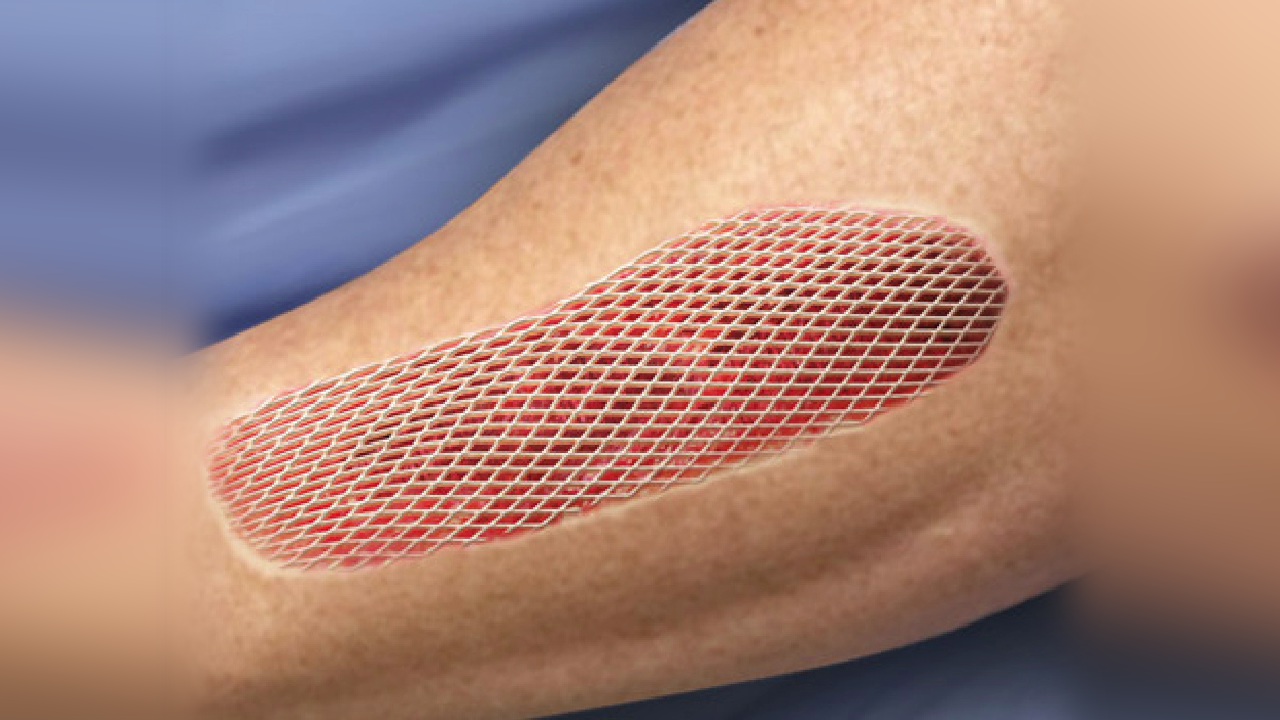
The Skin Grafting Nagpur is an important reconstructive procedure used to repair damaged, missing, or non-healing skin caused by burns, trauma, infection, ulcers, or surgical tissue loss. Moreover, healthy skin protects the body from infection, fluid loss, and external injury. Therefore, when large areas of skin are damaged, reconstruction becomes essential for healing and recovery.
Additionally, skin grafting involves taking healthy skin from one area of the body and placing it over another area that needs coverage. Consequently, the treated region gains a better chance to heal, strengthen, and recover function. In fact, timely grafting may reduce prolonged wound care and help prevent complications. Many patients consult Dr. Siddharth Mendiratta at One Life Hospital because they want expert surgical planning, safe wound management, and structured aftercare.
Meanwhile, not every wound needs grafting, and not every graft is the same. However, deeper wounds, burns, and areas with poor healing often require specialized evaluation. Therefore, consultation before Skin Grafting Nagpur is important to understand suitability, timing, and expected outcomes. Dr. Siddharth Mendiratta explains each stage clearly so patients feel informed and prepared.
As a result, patients receive personalized solutions rather than generic treatment. Moreover, Skin Grafting Nagpur today focuses on wound closure, improved healing, reduced infection risk, functional recovery, and better long-term comfort.
Why Healthy Skin Is Essential for Recovery
The Skin Grafting Nagpur becomes necessary because skin is far more than an outer covering. Moreover, it acts as a barrier against bacteria, temperature changes, and fluid loss. Therefore, major skin damage can create serious healing challenges.
Additionally, exposed tissues beneath damaged skin remain vulnerable to infection, pain, and dehydration. Consequently, untreated wounds may heal slowly or worsen over time. In fact, large wounds can interfere with movement and daily life.
Meanwhile, many people underestimate skin loss because they focus only on visible injury. However, skin plays a major protective role. Therefore, replacing lost coverage is often medically necessary.
As a result, patients recover more safely when skin protection is restored. Moreover, One Life Hospital provides structured Skin Grafting Nagpur care for suitable cases.
How Burns Often Lead to Skin Grafting Needs
The Skin Grafting Nagpur is frequently recommended after deep burns because severe burns can destroy skin layers beyond natural healing ability. Moreover, larger burns may leave raw surfaces that need coverage. Therefore, grafting becomes an important treatment option.
Additionally, once damaged tissue is removed and the wound is prepared, healthy skin may be transferred to aid closure. Consequently, healing often becomes faster and more controlled. In fact, grafting may also reduce contracture risk in some burn cases.
Meanwhile, superficial burns usually heal without surgery. However, deeper burns often need advanced reconstruction. Therefore, early assessment is crucial.
As a result, burn recovery can improve significantly. Moreover, Dr. Siddharth Mendiratta evaluates burn wounds carefully during Skin Grafting Nagpur consultation.
Why Trauma Wounds Sometimes Need Graft Coverage
The Skin Grafting Nagpur is also common after accidents, machinery injuries, falls, or road trauma where skin is torn away. Moreover, trauma may expose deeper tissues such as fat, tendon, or muscle. Therefore, wound coverage becomes urgent.
Additionally, complex wounds may not close naturally because surrounding skin is missing or damaged. Consequently, grafting helps bridge the gap. In fact, timely coverage may reduce infection and improve comfort.
Meanwhile, some injuries look small at first. However, deeper tissue loss may become clear after swelling reduces. Therefore, expert evaluation is important.
As a result, trauma wounds can heal more effectively. Moreover, Skin Grafting Nagpur supports recovery after severe injuries.
How Chronic Non-Healing Wounds May Benefit
The Skin Grafting Nagpur may help patients with chronic wounds that fail to heal despite dressings and regular care. Moreover, long-standing wounds often develop poor tissue quality and repeated inflammation. Therefore, advanced treatment may be required.
Additionally, diabetic ulcers, pressure wounds, or post-infection defects sometimes need surgical reconstruction after wound preparation. Consequently, healing chances improve when healthy tissue is introduced. In fact, grafting can shorten prolonged wound management in selected cases.
Meanwhile, not all chronic wounds are ready immediately. However, infection control and circulation assessment are first priorities. Therefore, careful planning is necessary.
As a result, selected patients achieve better progress. Moreover, One Life Hospital offers structured Skin Grafting Nagpur evaluation for difficult wounds.
What Types of Skin Grafts Are Commonly Used
The Skin Grafting Nagpur may involve different graft types depending on wound depth, size, and location. Moreover, treatment is customized rather than one-size-fits-all. Therefore, understanding graft options is helpful.
Additionally, thinner grafts may be used for larger surface areas, while thicker grafts may be chosen for certain functional or cosmetic needs. Consequently, the surgeon selects the best option for each case. In fact, donor site healing also influences planning.
Meanwhile, patients often assume all grafts look and behave the same. However, graft thickness and location can affect outcomes. Therefore, personalized planning is essential.
As a result, treatment matches wound requirements more accurately. Moreover, Dr. Siddharth Mendiratta individualizes Skin Grafting Nagpur procedures.
How Donor Skin Is Selected Safely
The Skin Grafting Nagpur requires healthy donor skin taken from another body area such as thigh, buttock, or other concealed regions. Moreover, donor sites are chosen carefully to balance healing and appearance. Therefore, planning is detailed.
Additionally, surgeons consider skin quality, color match, thickness, and ease of healing when selecting the donor area. Consequently, both graft site and donor site outcomes are considered together. In fact, donor areas usually heal well with proper care.
Meanwhile, many patients worry that donor skin removal creates serious harm. However, controlled harvesting is planned to heal safely. Therefore, reassurance is important.
As a result, donor areas recover predictably in most cases. Moreover, Skin Grafting Nagpur includes full care for both treated and donor sites.
Why Wound Bed Preparation Matters Before Surgery
The Skin Grafting Nagpur success depends greatly on the wound bed underneath the graft. Moreover, unhealthy tissue, infection, or poor blood supply can reduce graft survival. Therefore, preparation is one of the most important steps.
Additionally, dead tissue may need removal, infection may need treatment, and wound moisture balance may require control before surgery. Consequently, the graft has a better chance to attach and heal. In fact, excellent preparation often determines final results.
Meanwhile, patients may want immediate grafting. However, rushing onto an unhealthy wound may fail. Therefore, timing should be guided by expert judgment.
As a result, outcomes improve with proper preparation. Moreover, One Life Hospital emphasizes wound readiness before Skin Grafting Nagpur.
What Happens During the Procedure
The Skin Grafting Nagpur is performed in a controlled surgical setting with anesthesia based on wound size and location. Moreover, the surgeon first prepares the wound and then harvests healthy donor skin. Therefore, precision is essential at every stage.
Additionally, the graft is placed carefully over the wound and secured with dressings or supportive methods. Consequently, close contact allows the graft to receive nourishment from underlying tissue. In fact, movement control in early healing is very important.
Meanwhile, surgery duration varies by case complexity. However, most patients appreciate understanding the process beforehand. Therefore, consultation helps reduce anxiety.
As a result, patients feel more prepared for treatment. Moreover, Dr. Siddharth Mendiratta performs Skin Grafting Nagpur with structured planning.
Why Early Recovery Requires Protection
The Skin Grafting Nagpur recovery begins with protecting the graft from friction, pressure, and unnecessary movement. Moreover, the first days are critical while the graft attaches to the wound bed. Therefore, postoperative instructions must be followed carefully.
Additionally, dressings are often kept in place for a planned period, and limb elevation may be advised in some cases. Consequently, swelling can reduce and healing may improve. In fact, early disturbance can affect graft take.
Meanwhile, patients may want to inspect the area repeatedly. However, unnecessary handling should be avoided. Therefore, follow-up visits are the safest way to monitor progress.
As a result, healing becomes more stable. Moreover, Skin Grafting Nagpur outcomes often improve with disciplined aftercare.
How Pain Is Managed After Skin Grafting
The Skin Grafting Nagpur recovery may involve discomfort at both the graft site and donor site because tissues need time to heal. Moreover, pain levels vary according to wound size, graft type, and body location. Therefore, structured pain control is an important part of recovery.
Additionally, prescribed medicines, rest positioning, and dressing protection usually help keep discomfort manageable. Consequently, most patients notice gradual improvement during the first days and weeks. In fact, donor areas sometimes feel more sensitive than the grafted region.
Meanwhile, some patients hesitate to report pain because they think it is unavoidable. However, proper communication allows better symptom control. Therefore, informing the medical team is always helpful.
As a result, recovery becomes more comfortable and stable. Moreover, Dr. Siddharth Mendiratta provides personalized aftercare following Skin Grafting Nagpur procedures.
How the Donor Site Heals Over Time
The Skin Grafting Nagpur includes healing of the donor site, which is the area from where healthy skin is taken. Moreover, many patients focus only on the grafted wound and forget that donor care is equally important. Therefore, both areas need attention.
Additionally, the donor region usually forms a fresh skin layer gradually when superficial harvesting is used. Consequently, regular dressing care and hygiene help support recovery. In fact, healing speed depends on skin quality, nutrition, and overall health.
Meanwhile, temporary redness or sensitivity may occur during healing. However, these changes often improve with time. Therefore, patience and follow-up are valuable.
As a result, donor sites recover predictably in many cases. Moreover, One Life Hospital guides patients carefully after Skin Grafting Nagpur surgery.
What Determines Whether a Graft Takes Successfully
The Skin Grafting Nagpur success depends on whether the graft establishes blood supply and attaches properly to the wound bed. Moreover, several factors influence this process. Therefore, aftercare is just as important as surgery itself.
Additionally, infection control, proper dressing support, reduced movement, and healthy circulation all improve graft take. Consequently, disciplined recovery habits can significantly help outcomes. In fact, smoking, uncontrolled diabetes, or repeated trauma may reduce success.
Meanwhile, some patients expect surgery alone to guarantee healing. However, the body’s healing response plays a major role. Therefore, following medical advice matters greatly.
As a result, many patients achieve strong healing when instructions are followed. Moreover, Skin Grafting Nagpur combines surgery with guided recovery for better results.
How Scars May Look After Healing
The Skin Grafting Nagpur can improve wound closure, yet scar appearance depends on wound depth, body location, skin type, and healing response. Moreover, every patient heals differently. Therefore, realistic expectations are important.
Additionally, grafted skin may initially look different in color or texture compared with surrounding skin. Consequently, blending often improves gradually over months. In fact, scar maturation is a long-term process rather than a quick change.
Meanwhile, some patients worry when early scars appear prominent. However, fresh scars often soften and settle with time. Therefore, patience is essential.
As a result, appearance usually improves steadily. Moreover, Dr. Siddharth Mendiratta discusses scar expectations honestly during Skin Grafting Nagpur follow-up visits.
Why Compression and Scar Care May Be Recommended
The Skin Grafting Nagpur recovery sometimes includes scar management methods such as massage, moisturization, silicone support, or compression garments depending on the case. Moreover, these measures may help optimize healing. Therefore, follow-up recommendations should be individualized.
Additionally, certain burn or larger graft cases may benefit from structured scar care over time. Consequently, stiffness and raised scar concerns may reduce in selected patients. In fact, early guidance often gives better results than delayed correction.
Meanwhile, not every patient needs the same routine. However, customized care is more effective than generic advice. Therefore, professional review is valuable.
As a result, long-term outcomes can improve. Moreover, One Life Hospital provides tailored Skin Grafting Nagpur recovery guidance.
When Patients Can Return to Work or Routine Life
The Skin Grafting Nagpur return to normal activity depends on graft location, wound size, job demands, and healing speed. Moreover, desk work usually differs from physically demanding labor. Therefore, timelines are individualized.
Additionally, patients with grafts on legs, hands, or joints may need more time because movement stress can affect healing. Consequently, gradual return is often safer than rushing. In fact, premature friction or pressure may delay progress.
Meanwhile, many people want to resume work quickly for personal reasons. However, protecting the graft early often prevents setbacks. Therefore, medical clearance is important.
As a result, patients return more safely and confidently. Moreover, Dr. Siddharth Mendiratta gives personalized advice after Skin Grafting Nagpur procedures.
How Exercise and Gym Activities Resume Safely
The Skin Grafting Nagpur patients often ask when they can restart gym training, walking programs, or sports. Moreover, movement helps overall health, but excessive strain too early may affect healing. Therefore, staged return is recommended.
Additionally, light walking may resume earlier than weight training or impact exercise depending on the treated area. Consequently, progression should follow wound stability and comfort levels. In fact, joint-area grafts may require special rehabilitation.
Meanwhile, comparing recovery with others can be misleading. However, every wound heals differently. Therefore, personal guidance matters more than general timelines.
As a result, patients rebuild fitness safely. Moreover, One Life Hospital supports structured recovery after Skin Grafting Nagpur.
What Influences the Cost of Skin Grafting in Nagpur
The Skin Grafting Nagpur cost depends on several medical factors rather than one fixed number. Moreover, wound size, graft complexity, anesthesia needs, hospital stay, dressings, and follow-up care all influence planning. Therefore, consultation is essential for accurate estimates.
Additionally, smaller procedures may differ greatly from extensive burn or trauma reconstruction cases. Consequently, individualized treatment plans create different cost ranges. In fact, chronic wound preparation may also add to overall management needs.
Meanwhile, choosing treatment only by lowest price may ignore expertise and safety standards. However, reconstructive outcomes often depend on quality care. Therefore, balanced decision-making is wise.
As a result, patients can plan realistically. Moreover, One Life Hospital provides transparent Skin Grafting Nagpur guidance.
Clearing Common Myths About Skin Grafting
The Skin Grafting Nagpur is often misunderstood, which can create fear or delay treatment. Moreover, myths may discourage patients from seeking timely care. Therefore, factual clarity is important.
Additionally, one myth says grafting is only cosmetic. Consequently, some people ignore medically necessary wound coverage. In fact, grafting often protects tissue and supports healing.
Meanwhile, another myth suggests grafted skin never heals normally. However, many grafts integrate well when conditions are suitable. Therefore, proper selection matters.
Some people also believe donor skin removal is dangerous. However, donor areas are chosen carefully and managed professionally. Therefore, most heal predictably with care.
As a result, patients make more informed decisions.
Why Patients Choose Dr. Siddharth Mendiratta for Skin Grafting Nagpur
The Skin Grafting Nagpur requires wound judgment, surgical precision, and long-term follow-up, which is why many patients consult Dr. Siddharth Mendiratta. Moreover, each wound presents different challenges involving timing, infection risk, and tissue quality. Therefore, experience matters greatly.
Additionally, patients receive clear explanations about suitability, expected healing, dressing care, and recovery milestones. Consequently, they feel more confident before treatment. In fact, realistic guidance often reduces anxiety.
Meanwhile, careful follow-up remains essential after surgery. Therefore, continuity of care supports stronger outcomes over time.
As a result, patients feel guided through every stage. Moreover, Dr. Siddharth Mendiratta focuses on functional and aesthetic recovery in Skin Grafting Nagpur cases.
Why One Life Hospital Is Preferred for Reconstructive Care
The Skin Grafting Nagpur should be performed in a hospital that supports wound care, surgical safety, and reliable postoperative monitoring. Moreover, organized systems improve the patient experience significantly. Therefore, hospital choice matters.
Additionally, hygiene standards, coordinated teams, dressing support, and recovery guidance all contribute to smoother healing. Consequently, patients often feel more secure during treatment. In fact, structured environments can reduce avoidable stress.
Meanwhile, wound recovery may feel overwhelming for many people. However, compassionate communication helps throughout the process. Therefore, supportive care is essential.
As a result, patients receive dependable treatment from start to finish. Moreover, One Life Hospital provides comprehensive Skin Grafting Nagpur support.
Frequently Asked Questions - Skin Grafting Nagpur
1. Is skin grafting painful?
Some discomfort is expected, but pain is usually manageable with proper care and medication.
2. How long does a skin graft take to heal?
Initial healing often begins within weeks, while full maturation can take longer.
3. Will the graft match my normal skin color?
Color and texture may differ initially, though appearance often improves gradually.
4. Can a skin graft fail?
Some grafts may not fully take, especially if healing factors are poor, but careful planning reduces risk.
5. Is hospital stay always required?
It depends on wound size, body area, and overall treatment complexity.
If you are dealing with a burn wound, traumatic skin loss, non-healing ulcer, or tissue defect that has not improved with routine care, timely evaluation can make a major difference. Moreover, delayed wound treatment may increase complications and discomfort. Therefore, booking a consultation with Dr. Siddharth Mendiratta at One Life Hospital is an important next step.
Additionally, your consultation includes wound assessment, healing potential review, treatment planning, and discussion of whether grafting is the right option. Consequently, you receive clarity instead of uncertainty. In fact, many patients feel relieved once they understand a structured path forward.
Meanwhile, One Life Hospital offers a supportive environment with organized surgical and recovery care. Therefore, every stage remains patient-focused.
As a result, early consultation may help faster healing, better comfort, and stronger long-term recovery.